Coquette Red Bow Christmas Tree Review
As I set up my booth for the upcoming weekend craft fair, the table is already groaning under the weight of finished samples. There are aprons, tea towels, and caps lined up, waiting for that final touch that makes a customer stop scrolling or stop walking. Today, I am putting the Coquette Red Bow Christmas Tree embroidery design through its paces. This isn't just about checking stitch counts; it is about evaluating whether this digital file will translate into a profitable handmade product in a crowded market. The title alone suggests a specific aesthetic: soft, feminine, and undeniably festive. But does it hold up when stitched onto real fabric?
First Impressions and Aesthetic Appeal
When I first opened the machine embroidery design file on my screen, the vibe was immediate. The "Coquette" trend has taken over social media, characterized by bows, hearts, and a very specific kind of romanticized cuteness. Pairing that with a Christmas tree creates a unique hybrid of holiday tradition and modern internet fashion. It feels less like a traditional rustic farmhouse piece and more like a boutique item meant for a gift shop or a trendy Etsy listing.
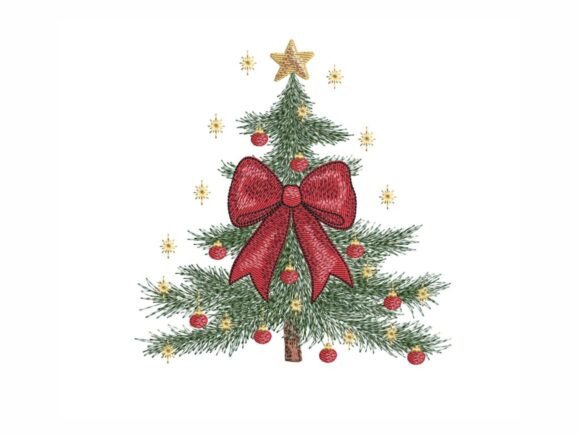
The red bow acts as the focal point, drawing the eye instantly. In a sea of green trees and gold ornaments, this design stands out because of its bold color contrast and playful shape. For a craft fair seller, visual pop is currency. If a passerby glances at your table from three feet away, the Coquette Red Bow Christmas Tree needs to grab them. My initial assessment is that it succeeds here. It looks premium and intentional, not cluttered. However, the success of the finished product relies heavily on execution. A cute design can look cheap if the thread tension is off or if the stabilizer choice is wrong.
Product Placement and Versatility
One of the biggest questions for any embroidery business owner is versatility. Where does this design actually shine? The description suggests tote bags and t-shirts, but let's dig deeper into what sells best at a physical market.
- Tote Bags: This is the obvious winner. A large canvas tote bag provides a flat surface where the tote bag design can be hooped without distortion. The red bow pops beautifully against natural beige or white canvas, making it an instant best-seller for eco-conscious shoppers looking for holiday gifts.
- Tea Towels: Tea towel embroidery is always a crowd-pleaser. The texture of linen or cotton adds a nice tactile element. However, you must be careful with the density of the bow. If the stitches are too tight, they can pull the fabric threads of the towel, causing puckering.
- Embroidered Patches: For those who want to sell smaller items, turning this into an embroidered patch is a smart move. You can sew these onto denim jackets, backpacks, or even felt stockings. It allows you to produce a batch of patches quickly and apply them to various products later.
- Caps: Be cautious here. Curved surfaces can distort the symmetry of the bow. If you choose to use this for apron embroidery or hats, ensure the hoop size accommodates the curve without stretching the design.
Production Realities and Practical Tips
As someone who has spent years troubleshooting stitch density issues, I know that a pretty picture on a computer doesn't guarantee a perfect stitch. When preparing the Coquette Red Bow Christmas Tree for batch production, there are critical steps you cannot skip.
First, always test the design on scrap fabric. Do not go straight to your expensive linen or premium cotton. Check how the red thread interacts with the background color. If you are using a dark fabric, the red might disappear unless you use a bright, high-gloss thread or add a backing layer. Second, review the spacing. The bow likely has satin stitches, which require precise trimming of jump stitches. If the thread colors are too similar to the base fabric, the detail gets lost.
Stabilizer is non-negotiable. For textured items like kitchen towels or thick canvas, a tear-away or cut-away stabilizer is essential to prevent the fabric from bunching up under the needle. If you are producing commercial embroidery items for resale, consistency is key. Every single finished product must look identical. One puckered bow ruins the perception of quality for the whole table display.
Visual Impact and Sales Strategy
In a physical booth, lighting matters. The glossy sheen of embroidery thread catches the light, making the Coquette Red Bow Christmas Tree sparkle. This is a huge advantage over printed designs. Customers love seeing the texture of the stitching; it proves the item is handmade. When photographing these items for your online store or Etsy listings, get close-ups of the bow. Show the depth of the stitches. A good printable mockup helps, but nothing beats a photo of the actual thread work.
This design also offers great brand consistency. If you run a shop focused on cozy, feminine aesthetics, this fits perfectly. It elevates the perceived value of a simple tote bag. Instead of selling a $15 bag, you can price the embroidered version at $35 because the labor and design asset add tangible value. It transforms a commodity into a gift.
Final Designer Notes for Sellers
Before you commit to buying this digital embroidery file for mass production, check the license terms. Ensure you have the right to sell the finished goods. Some files are for personal use only, while others allow for commercial sales. Also, verify the hoop size requirements. If your machine only has a 4x4 hoop, but the design requires 5x7, you will need to split the design or upgrade your equipment.
Be mindful of small details. If the tree has tiny needles or the bow has intricate folds, shrinking the design for a small pouch might result in muddy stitches. Stick to sizes that preserve the clarity of the design assets. Finally, create at least one real mockup before you stock your shelves. Hold it in your hand. Does it feel substantial? Does the back look clean? These are the details that separate a hobbyist from a professional small shop product creator.
The Coquette Red Bow Christmas Tree is a strong contender for the holiday season. It hits the sweet spot between trendy and timeless. With proper fabric selection, stabilizer use, and attention to thread quality, it can become the hero of your craft fair table. Just remember: the design is only half the battle. Your skill in bringing it to life is what will make it sell.