Oma Embroidery Review: Whimsical Charm for Handmade Projects
As an embroidery designer who spends countless hours digitizing and stitching, I am always on the lookout for designs that balance aesthetic appeal with technical reliability. When I recently browsed Creative Fabrica embroidery collections, the Oma design caught my eye. It promises to embellish fabrics with a lovely touch of whimsy and charm, specifically targeting home decor items like towels and pillows. For those of us running small businesses or crafting personalized gifts, finding a versatile machine embroidery design that performs well across various substrates is crucial. This review explores whether Oma delivers on its promise for real-world commercial and personal use.
First Impressions and Visual Mood
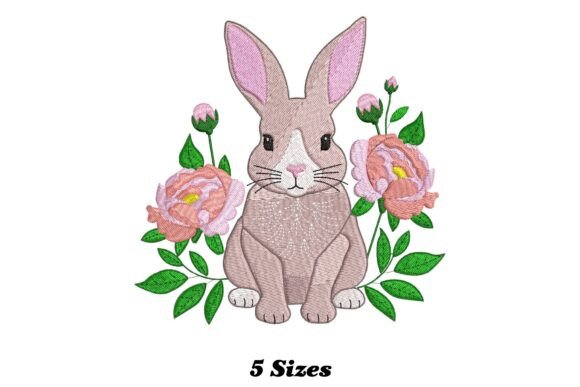
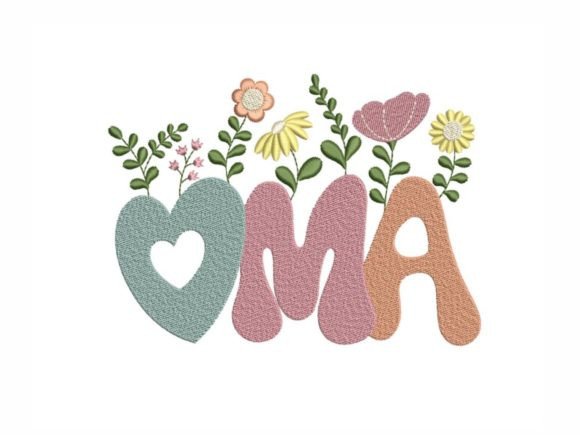
The immediate appeal of Oma lies in its decorative personality. In a market saturated with generic motifs, this design offers a distinct sense of warmth and nostalgia. The visual mood is soft yet defined, making it suitable for projects that require a gentle, inviting aesthetic. For embroidery designers, the detail level appears balanced. It is intricate enough to look professional and high-value but not so dense that it risks puckering lightweight fabrics. This balance is essential when creating handmade products intended for sale on platforms like Etsy or at local craft fairs.
The design’s charm suggests it would pair beautifully with natural fibers. Imagine stitching Oma onto a linen kitchen towel or a cotton pillow cover. The result is not just an embroidered item, but a piece of home decor that feels curated and thoughtful. For Mother S Day collections, this type of whimsical imagery resonates deeply with buyers looking for sentimental yet stylish gifts.
Performance on Real-World Substrates
To truly evaluate an embroidery file, we must consider how it behaves on different materials. Oma is marketed for towels, pillows, and home decor, but its versatility extends further. Here is how it might perform on common project bases:
- Kitchen Towels and Aprons: These items undergo frequent washing. A design with moderate stitch density is vital here to prevent thread breakage or fabric distortion. Oma’s structure seems conducive to durable stitching if paired with the right stabilizer.
- Tote Bag Design: Canvas tote bags are sturdy, allowing for bolder stitching. Oma could serve as a focal point on a plain canvas bag, adding value to a simple custom apparel or accessory item.
- Sweatshirt Embroidery: Stitching on fleece or jersey requires careful attention to pull compensation. If Oma utilizes a mix of satin stitch borders and fill stitch centers, it should sit well on textured fabrics without sinking in, provided a cut-away stabilizer is used.
- Pillow Covers and Nursery Decor: For baby items or nursery accents, the whimsical nature of Oma fits perfectly. However, ensure that any tiny details are secure, as these items may be handled frequently by children.
When considering commercial embroidery applications, consistency is key. Whether you are producing a batch of ten tote bags or a single bespoke pillow, the design must reproduce reliably. Oma’s apparent simplicity in form suggests it is less likely to suffer from registration issues compared to highly complex multi-layered designs.
Technical Considerations for Embroiderers
While the visual appeal is strong, practical execution requires diligence. Before committing to a final product, several technical factors must be addressed. First, always check the specific file details on the Creative Fabrica product page. The description notes that the design comes with multiple formats, but it is essential to confirm compatibility with your specific machine model. Additionally, verify the available hoop size requirements. If Oma is designed for a 4x4 or 5x7 hoop, it may need resizing for larger projects, which can affect stitch count and density.
Stitch type analysis is another critical step. If the design relies heavily on satin stitches for outlines, ensure your tension is calibrated correctly to avoid edge fraying. For areas using running stitch or lighter fills, test on scrap fabric first. This is particularly important when working with stretchy fabrics or dark materials where thread contrast is necessary. A poorly chosen thread color can flatten the design, removing the depth and charm that makes Oma appealing.
For those interested in creating an embroidered patch or applying the design to curved surfaces like caps, consider the stability of the backing. Cap embroidery often requires specialized frames and stiff stabilizers to prevent distortion. If Oma includes fine details, these may not translate well to highly curved surfaces unless the design is simplified or scaled appropriately.
Enhancing Product Value and Brand Consistency
From a business perspective, the choice of design assets directly impacts buyer trust and perceived value. Using a high-quality, whimsical design like Oma can elevate a standard personalized gift into a boutique-worthy item. When photographing finished products for online listings, the clarity and charm of the embroidery play a significant role in customer engagement. A clean, well-stitched Oma design on a neutral background creates a compelling printable mockup or actual product photo that stands out in crowded marketplaces.
Consistency in your brand aesthetic is also vital. If your shop specializes in cozy, handmade home goods, Oma aligns perfectly with that narrative. It reinforces the idea of care and craftsmanship. Conversely, if your brand is modern and minimalist, you might need to adjust thread colors to muted tones to maintain visual harmony. The flexibility of the design allows for customization, enabling you to tailor the look to your specific audience while maintaining the core whimsical appeal.
Practical Steps Before Production
Before launching Oma-based products, follow these best practices to ensure quality:
- Test on Scrap Fabric: Always stitch a test sample on the exact fabric type you intend to use. This reveals any tension issues or density problems.
- Check Thread Color Contrast: Select threads that highlight the design’s details. For dark fabrics, use lighter threads to ensure visibility; for light fabrics, consider subtle tonal variations for a sophisticated look.
- Review Stitch Density: If the design feels too heavy, consider reducing density slightly in your editing software, provided you have the rights to modify the file.
- Confirm Hoop Size: Ensure your machine’s hoop accommodates the design without requiring excessive repositioning, which can lead to alignment errors.
- Use Proper Stabilizer: Match the stabilizer to the fabric. Use tear-away for stable woven fabrics and cut-away for knits or items that will be washed frequently.
- Inspect Small Details: After stitching, examine the smallest elements of Oma. Are they crisp? Do they pull? This inspection helps refine your technique before selling the finished product.
- Verify Licensing: Always read the license terms on the Creative Fabrica product page. Confirm that commercial use is permitted for physical items if you plan to sell them.
In conclusion, Oma offers a charming and versatile option for embroidery enthusiasts and professionals alike. Its suitability for towels, pillows, and other home decor items makes it a valuable addition to any digital library. By paying attention to technical details and fabric choices, you can leverage this design to create beautiful, high-quality handmade goods that resonate with customers. Whether for a seasonal Mother S Day gift or a year-round boutique item, Oma has the potential to add that special touch of whimsy that buyers love.