One Line Bee: A Designer’s Review for Real Projects
As a designer who spends more time staring at stitch maps than actual fabric, I have learned to be skeptical of trendy motifs. The market is flooded with complex, dense patterns that look impressive on screen but turn into thread nests on the machine. That is why One Line Bee caught my attention. It promises simplicity, and in the world of machine embroidery, simplicity is often the hardest thing to execute well. After putting this design through its paces on various textiles, I am ready to share how it holds up in real-world applications for crafters, Etsy sellers, and boutique owners.
First Impressions and Visual Personality
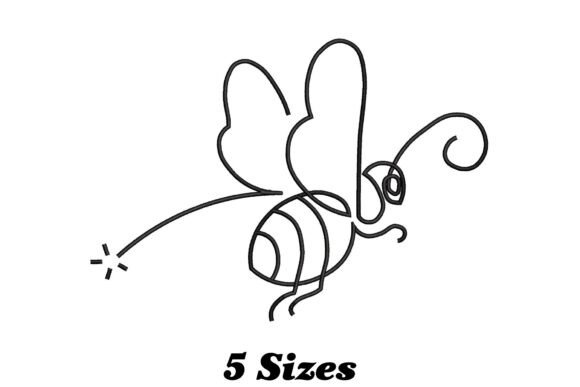
The immediate appeal of One Line Bee lies in its minimalist aesthetic. Unlike traditional Bugs category designs that rely on heavy fill stitches and intricate shading, this piece uses a continuous line approach. This creates a modern, quirky flair that feels less like a standard catalog item and more like a hand-drawn sketch. For embroidery designers, this is a breath of fresh air. It avoids the "clipart" look that can sometimes plague digital embroidery files, offering instead a charming, organic vibe.
The mood is light and playful. It does not scream for attention; rather, it invites a closer look. This subtlety makes it incredibly versatile. Whether you are aiming for a rustic farmhouse feel or a contemporary nursery aesthetic, the design adapts without losing its identity. It is the kind of motif that elevates a plain item without overwhelming it, which is crucial for maintaining a high-end look in handmade products.
Real-World Application: The Tote Bag Test
To truly evaluate an embroidery design, you must take it off the screen and onto fabric. I chose to test One Line Bee on a natural cotton canvas tote bag. This is a staple product for many small shop owners and craft fair vendors. The goal was to see if the single-line structure would hold up against the textured weave of the canvas.
The result was delightful. Because the design relies on clean lines rather than dense saturation, it did not distort the fabric. Heavy fill stitches can often cause puckering on lighter canvases, but here, the stitching lay flat and crisp. The bee became a focal point that felt intentional and stylish. For an Etsy seller, this means you can offer a personalized gift that looks professional and durable. Customers are increasingly drawn to items that feel curated rather than mass-produced, and this design delivers that boutique quality.
Versatility Across Product Lines
Beyond tote bags, I explored how this motif performs on other common substrates. On a soft fleece sweatshirt, the design retained its clarity. Sweatshirt embroidery can be tricky because the pile of the fabric can swallow small details. However, the bold, continuous nature of One Line Bee ensured it remained visible and charming. It would work equally well as a small chest emblem or a larger back print, depending on your hoop size capabilities.
For baby embroidery, such as onesies or burp cloths, the simplicity is a major advantage. Parents often prefer softer, less bulky designs for infant items. This design adds a touch of whimsy without adding excessive stiffness to the garment. It is also an excellent candidate for holiday embroidery, particularly for spring-themed collections or Earth Day promotions, where nature motifs are in high demand.
Technical Considerations for Stitching Success
While One Line Bee is forgiving, it is not immune to poor technique. As with any machine embroidery project, preparation is key. Here are practical notes for ensuring the best finished product:
- Stabilizer Selection: Even though the design is not dense, using the correct stabilizer is vital. For stretchy fabrics like t-shirts, a cut-away stabilizer will prevent distortion over time. For woven fabrics like towels or aprons, a tear-away may suffice, but always test first.
- Thread Contrast: Since this is a line-based design, thread color choice dramatically impacts visibility. On dark fabrics, use a high-contrast thread like white or yellow. On light fabrics, a darker tone or a metallic thread can add a unique twist. Always check your design in black and white mockups to ensure the shape remains recognizable regardless of color.
- Fabric Texture: Be cautious with highly textured fabrics like looped towels. The single line might get lost in the loops. In such cases, consider using a slightly thicker thread or adjusting the stitch density if your software allows, though the default settings are generally optimized for standard cottons and blends.
- Hoop Size: Confirm the required hoop size before starting. While likely small, ensuring your frame is tight and the fabric is drum-tight will prevent any shifting during the stitching process.
Commercial Viability and Brand Consistency
For commercial embroidery and digital product sellers, One Line Bee offers significant value. It is quick to stitch, which reduces machine time and increases profit margins. For small business owners, efficiency is just as important as aesthetics. A design that stitches out cleanly in a short time allows for higher volume production without sacrificing quality.
Furthermore, this design supports brand consistency. If your shop focuses on minimalism, nature, or handmade charm, this bee fits seamlessly into your existing product line. It can be used as a standalone element or combined with text for personalized gifts. When creating printable mockups or digital embroidery file previews, this design photographs well because it lacks the shadowing issues common with dense satin stitch areas.
Final Verdict
One Line Bee is a solid addition to any designer’s library. It bridges the gap between cute and sophisticated, making it suitable for a wide range of customers. Whether you are creating custom apparel for a local boutique, preparing holiday gifts for friends, or stocking your online store with new embroidered patches, this design delivers reliable results.
Remember to always verify the specific license terms provided with your digital embroidery file. While many designs allow for commercial use of finished physical items, restrictions may apply to reselling the digital asset itself. By respecting these guidelines and applying careful stitching techniques, you can leverage One Line Bee to create products that resonate with buyers and stand the test of time. It is a reminder that in embroidery, sometimes less really is more.