Reviewing Glittering Magic Wand for Small Business Merch
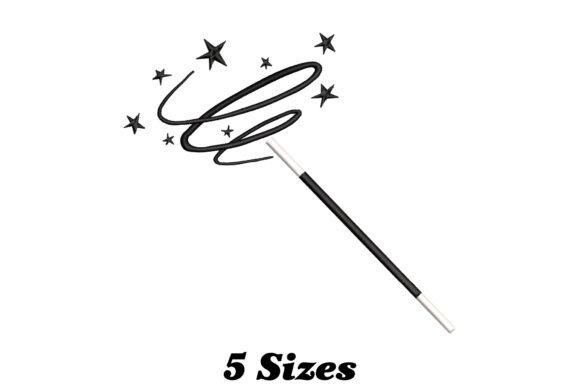
As an embroidery designer who has spent years digitizing files and consulting with boutique owners, I know that choosing the right machine embroidery design is about more than just aesthetics. It is a strategic business decision. When I first encountered the Glittering Magic Wand, my immediate reaction was to evaluate its potential beyond simple decoration. This piece belongs to the Fairy Tales category, yet its application extends far into the realm of professional branding and small business merch. For shop owners, Etsy sellers, and apparel decorators, understanding how this design translates from a digital file to a tangible asset is crucial for maximizing return on investment.
First Impressions: Visual Personality and Brand Fit
The title itself suggests whimsy, but the description promises a "charming update" with a "fun and quirky flair." In the context of brand identity, this design does not scream corporate rigidity. Instead, it offers a playful, approachable energy. For businesses in the creative sector—such as bakeries, florists, children’s boutiques, or indie bookstores—this visual personality can be a powerful tool. It signals to customers that the brand is friendly, imaginative, and detail-oriented.
However, "glittering" in embroidery often implies complex stitch patterns or metallic thread usage. From a designer’s perspective, I look for balance. Does the design rely too heavily on dense fills that might pucker lightweight fabrics? Or does it use open, airy stitches that maintain flexibility? The promise of embellishing t-shirts and towels suggests versatility, but we must dig deeper into how it performs on various fabric textures.
Real-World Applications for Commercial Embroidery
Let us move beyond theory and discuss where Glittering Magic Wand truly shines in a commercial setting. For a local café or a handmade soap studio, this design could serve as an excellent accent on staff uniforms. Imagine it embroidered on the chest pocket of a denim apron. It adds a touch of magic without overwhelming the professional look of the uniform. This is where apron embroidery becomes a subtle marketing tool, turning every employee interaction into a brand impression.
Another high-value application is the embroidered patch. Patches are trending heavily in the handmade community. By stitching this design onto twill or felt backings, you can create collectible items for customers or unique badges for team members. Patches allow for higher stitch density without worrying about fabric distortion, making them ideal for intricate details that might struggle on stretchy materials. Furthermore, these patches can be sold as standalone products, diversifying your revenue stream.
For retail merchandise, consider tote bag design. A canvas tote featuring this wand motif appeals to shoppers looking for functional art. It transforms a basic utility item into a statement piece. Similarly, cap embroidery offers a compact canvas. If the design scales down well, placing it on the side panel or back of a baseball cap can create a subtle, stylish look that customers love to wear in their daily lives.
Navigating Technical Challenges and Production Risks
While the aesthetic appeal is strong, practical execution requires caution. Not every digital embroidery file is created equal. Before running a production batch, you must address several technical variables. First, consider the size. If you intend to use this on small areas, such as a collar tip or a tiny label, verify that the details do not merge. High-detail designs can become muddy when reduced, losing the "quirky flair" that defines them.
Thread choice is another critical factor. To achieve a "glittering" effect, many designers opt for rayon or polyester threads with high sheen, or even metallic threads. Metallic threads are notoriously difficult to work with; they break easily and require slower machine speeds. If you are new to using metallics, test extensively. Alternatively, you can mimic the glitter effect using high-contrast thread colors and strategic satin stitches that catch the light naturally.
Stabilization is non-negotiable. For items like towels mentioned in the description, the looped texture can cause registration issues. Using a cut-away stabilizer ensures the design remains stable during washing. For t-shirts, a tear-away might suffice, but if the design is dense, a cut-away provides better longevity. Always check the recommended hoop size against your machine’s capabilities. Trying to force a large design into a small hoop can lead to distortion and wasted materials.
Enhancing Brand Identity and Customer Trust
Consistency builds trust. When a customer sees the same high-quality Glittering Magic Wand on your packaging, your website’s printable mockup, and the actual product they receive, it reinforces professionalism. This visual consistency helps in building a recognizable brand identity. For Etsy sellers, having cohesive design assets makes your shop look curated and premium rather than chaotic.
Moreover, handmade products thrive on perceived value. A well-executed embroidery design elevates a simple cotton tee into a bespoke item. Customers are willing to pay more for items that show craftsmanship. By using this design on limited-edition drops or seasonal collections, you create urgency and exclusivity. It becomes more than just an image; it becomes a symbol of your brand’s creative spirit.
Practical Designer Notes for Implementation
Before you commit to full-scale production, follow these steps to ensure success. First, always stitch out a test sample on the actual fabric you plan to use. Digital previews can be misleading. Check for thread breaks, puckering, or color clashes. Test the design in black and white first to ensure the shape holds up without color reliance.
Second, review the licensing terms. The description mentions it is a machine embroidery design, but you must confirm if it includes commercial rights. Never assume a file is free for resale or mass production. Protect your business by verifying the license explicitly.
Third, create a printable mockup or a digital composite to show clients or stakeholders how the design looks on different items. This helps manage expectations and secures approval before you spend hours on the machine. Compare Glittering Magic Wand beside your other design assets to ensure it complements your existing collection rather than clashing with it.
Finally, consider the end-user experience. Will the embroidery itch? Is it durable enough for frequent washing? These practical concerns impact customer satisfaction and repeat business. By addressing these details upfront, you position your brand as thoughtful and reliable.
In conclusion, Glittering Magic Wand offers significant potential for small businesses willing to invest time in proper execution. It bridges the gap between whimsical charm and professional branding. Whether used on aprons, patches, or tote bags, it can enhance your product line if handled with technical precision and strategic intent. Always prioritize quality control, verify your commercial embroidery rights, and let the design serve your broader brand narrative.