Reviewing Unique and Limited Edition for Craft Fairs
As an embroidery designer who has spent countless weekends behind a booth table, I know that the difference between a browser and a buyer often comes down to visual impact. When I first loaded the Unique and Limited Edition design into my software, my immediate goal was to determine if it had the staying power required for a high-traffic handmade market. This is not just about pretty stitches; it is about creating a craft fair product that stops people in their tracks. Based on the description promising a charming update with a fun and quirky flair, this machine embroidery design positions itself firmly in the Inspirational category, offering versatility for t-shirts, towels, and home decor.
First Impressions and Visual Appeal
The title alone suggests exclusivity, which is a powerful psychological trigger for shoppers at local markets. When evaluating Unique and Limited Edition, I looked for elements that convey that "limited" feel without being overly complex. The description highlights a delightful and quirky nature, which tells me this design likely features playful lines or whimsical motifs rather than rigid, traditional patterns. For an Etsy seller or boutique maker, this aesthetic is gold. It feels approachable yet special, striking a balance between modern minimalism and decorative charm.
In a crowded booth, items need to communicate their value instantly. This Embroidery piece seems designed to add personality. Whether it leans towards rustic farmhouse or contemporary cute, the key is its ability to transform a blank canvas into a story. I imagine this design working beautifully as a focal point on a neutral background, where the thread colors can pop against the fabric texture.
Product Versatility for the Handmade Market
To maximize return on investment, a digital embroidery file must perform well across multiple substrates. Here is how I see Unique and Limited Edition performing on various small shop products:
- Tote Bags: A classic tote bag design needs to be bold enough to be read from three feet away. If this design has clean lines, it will look premium on canvas totes, appealing to eco-conscious shoppers.
- Aprons and Tea Towels: The description specifically mentions towels. Tea towel embroidery is a staple of craft fairs. However, one must consider the fabric texture. Looped terry cloth can swallow small details, so this design likely works best on flat-woven linen or cotton blends for apron embroidery.
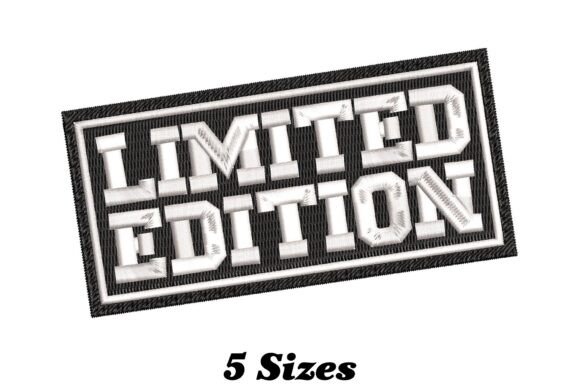
- Embroidered Patches: If the design is self-contained with a clear border, it makes an excellent embroidered patch. Patches are low-commitment purchases for customers, making them ideal impulse buys.
- Caps and Pouches: Curved surfaces like caps require careful digitizing. If the design is not too wide, it can add a quirky flair to dad hats. Small pouches benefit from designs that do not have excessive stitch density, which can cause puckering on lightweight nylon or cotton.
Production Practicality and Batch Selling
For those of us running a business, time is money. A design that looks great but takes forty minutes to stitch is not viable for a high-volume craft fair product line. When reviewing Unique and Limited Edition, I consider the efficiency of the stitch path. Is it optimized for speed? Does it use reasonable thread changes?
Photography is another critical factor. In our digital age, your booth is only half the battle; your online presence drives traffic. This design must photograph well for your printable mockup listings and social media posts. Designs with good contrast and defined shapes tend to look sharper in photos, increasing click-through rates for your Etsy listings. If the design feels repeatable, you can create a cohesive collection, strengthening your brand consistency.
Careful-Use Notes for Designers
Even the most charming designs have pitfalls. Here are specific technical considerations when using this digital embroidery file:
- Fabric Texture: As mentioned, textured towels can distort fine details. Always test on the exact material you plan to sell.
- Dense Stitch Areas: Check for areas where stitches overlap heavily. High density can make fabric stiff and uncomfortable, especially on wearable items like t-shirts.
- Small Lettering: If the design includes text, ensure it is legible at smaller sizes. Tiny lettering often merges together after washing.
- Dark Fabric: Verify that the recommended thread colors provide enough contrast against dark fabrics. You may need to adjust the color palette in your software.
- Curved Surfaces: When applying to caps, use appropriate stabilizers to prevent distortion on the curved front panel.
Enhancing Brand Value and Customer Engagement
Using a design labeled Unique and Limited Edition allows you to market your finished product as exclusive. Customers love feeling like they are buying something rare. This perception increases the perceived value of your handmade goods. It transforms a simple towel into a collector's item.
Furthermore, this type of inspirational design encourages engagement. Shoppers often stop to read the message or admire the quirky detail, giving you the opportunity to start a conversation. In a busy market, these interactions are vital. They build a connection between the maker and the buyer, fostering loyalty and repeat business.
Essential Designer Checklist Before Production
Before you commit to stitching fifty units for your next event, follow these professional steps:
- Test on Scrap Fabric: Never skip the test stitch. Check for registration issues and thread breaks.
- Check Thread Contrast: Ensure your chosen threads stand out against the fabric color.
- Review Spacing: Make sure elements are not too close together, which can cause pulling.
- Confirm Hoop Size: The product description does not specify dimensions, so check your software to ensure it fits your standard hoops.
- Inspect Stitch Density: Adjust if necessary to suit delicate fabrics.
- Use the Right Stabilizer: Match the stabilizer to the fabric weight and stretch.
- Create a Real Mockup: Photograph the actual stitched item, not just the digital preview.
- Compare Fabric Colors: See how the design looks on white, cream, navy, and pastel backgrounds.
- Confirm Commercial Licensing: Since the description is brief, verify with the seller that this design assets package includes rights for commercial embroidery sales.
In conclusion, Unique and Limited Edition appears to be a strong contender for makers looking to add personality to their inventory. By understanding its quirks and optimizing your production process, you can turn this digital file into a best-selling physical product. Remember, the success of a handmade product lies not just in the design, but in the quality of its execution and the story you tell around it.